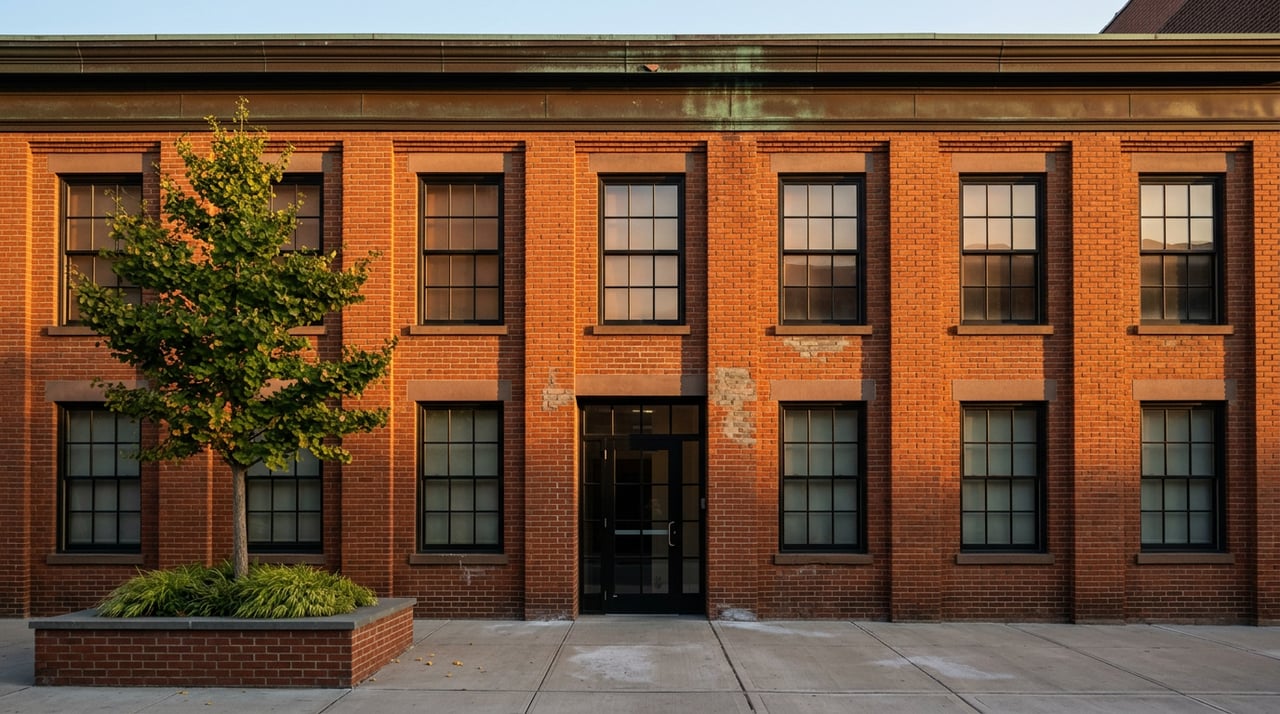
Two condos in downtown Richmond can sit at the same price, carry the same square footage, and even share a similar view of the skyline, and still land on completely different financing paths. One buyer gets a conventional loan in three weeks. The listing sheet never told either of them why.
The number that decides which buyer you become is buried in the condo association's own paperwork, and as of this month it matters more than it has in years.
The Percentage That Decides Your Buyer Pool
Every condo building, not just the unit inside it, has to clear a set of standards before Fannie Mae, Freddie Mac, FHA, or VA will back a loan in it. Real estate people call this warrantability, and it has nothing to do with your income, your credit score, or how much you love the exposed brick. Lenders look at the building as a whole: what share of units are owner occupied versus rented, how much of the reserve fund is actually funded, whether one investor controls too many units, whether the developer still holds control, and whether any lawsuits are pending against the association.
When a building clears those tests, buyers get access to ordinary financing at ordinary terms. When a building fails, the pool of people who can actually close shrinks to cash buyers and borrowers willing to take a portfolio loan at a steeper rate. Condo Approval says non-warrantable condos typically require 20 to 30 percent or more down. That gap does not show up in square footage or finish level. It shows up in the HOA's budget and bylaws, documents most buyers never ask to see until a lender's underwriter goes looking for them.
August 3 Changed the Math
This is not an abstract risk. GoverningDocs reports that Fannie Mae and Freddie Mac released coordinated updates on March 18, 2026, that raised the minimum reserve allocation a condo association has to budget from 10 percent to 15 percent of its annual assessment income. Buildings sitting right at the old 10 percent floor now have to either raise dues or risk losing warrantable status altogether.
The bigger shift landed even more recently. Limited Review, the faster and less document-heavy approval path that covered roughly 40 percent of condo loan reviews historically, was retired for loan applications dated on or after August 3, 2026. Freddie Mac's parallel Streamlined Review disappeared the same day. Lenders now review HOA documentation before closing, and associations that used to sail through on a shorter checklist are now being asked to produce a file many self-managed boards simply do not have ready.
That paperwork burden lands hardest on downtown Richmond's older buildings, the historic loft conversions and mid-2000s rehabs that make up so much of the neighborhood's condo stock.
The Historic-Tax-Credit Hangover at 6 North 6th
6 North 6th shows how a building's financing history can outlast the renovation that created it. It is an 18-unit loft conversion inside a former book bindery on the eastern edge of the Grace Street arts and theater corridor, a short walk from the Altria Theater and the Richmond Performing Arts Alliance's home stages. The building was renovated using both Federal and State historic tax credits.
Buyers there should still know the building has no deeded parking. Owners arrange their own spot in one of the surrounding decks, a real monthly cost that belongs in the math for anyone planning to keep a daily driver rather than walk to work in the Grace Street corridor.
Why a Commercial Unit Changes the Math
A different structural wrinkle shows up at Emrick Flats, a 25-unit condo regime in Jackson Ward built into the old Emrick Chevrolet showroom. The ground floor there is a commercial office condo carved out of the original auto showroom space. Buildings like this, where a residential condo regime shares a roof with a commercial unit, run into a different piece of the warrantability checklist. Fannie Mae and Freddie Mac cap how much of a project's total space can be commercial before the whole building falls outside conventional guidelines, so a mixed-use conversion has to keep that ratio in check even when the residential units themselves are in great shape. Emrick, along with Gotham, was one of the buildings that first proved Richmond buyers would pay a premium for exposed brick and concrete floors, and that early success helped spark the wave of industrial conversions that followed across Jackson Ward, Manchester, and Shockoe.
What a Straightforward Building Looks Like Downtown
Not every downtown condo carries a structural asterisk. Gotham Condominiums at 1205 East Main Street was one of the first condo projects built in the central business district, developed by REO Enterprises with architect David Johannas, and its two penthouse units come with private roof decks and a straightforward ownership history. Shockoe Valley Lofts, at 19th and Broad in the heart of Shockoe Bottom, went through a historic renovation by Robin Miller of Monroe Properties, one of the city's earliest downtown developers, and offers one and two bedroom units with skyline views. Vistas on the James, an 18-story new-build tower with garage parking and secured entry, is Richmond's largest condo project and looks nothing like the smaller historic rehabs around it.
None of these buildings carry a historic-tax-credit rental hold like 6 North 6th or a commercial-space wrinkle like Emrick Flats. That does not guarantee any one of them clears the new Full Review standard automatically, but it does mean a buyer isn't starting from behind before the underwriter even opens the file.
Before You Write an Offer Downtown, Ask For
- The HOA's current reserve allocation, and whether it meets the new 15 percent threshold
- The share of units in the building that are individually owned versus still rented or developer-held
- Whether any commercial units share the regime, and how much of the building's total space they represent
- The percentage of owners delinquent on dues
- Whether the association is facing or involved in any pending litigation
A seller or listing agent should be able to produce most of this before you make an offer, not after your lender asks for it three weeks into escrow.
What This Means for This Fall's Downtown Market
The backdrop makes the timing worse for buyers who skip this step. Metro Richmond's closed condo and townhouse sales climbed 10.7 percent year over year in the first half of 2026, well ahead of the 5.2 percent growth in single-family sales, according to Richmond Association of Realtors data. Downtown Richmond's median condo price sat at $347,500 as of May 2026, with units averaging 53 days on market and mortgage rates hovering near 6.5 percent. Demand for condo living downtown is real and growing, but that growth is happening at the exact moment financing has become harder to qualify for on the older buildings that make up much of downtown's inventory.
The practical effect is a market that is starting to move at two speeds. Fully converted, well-reserved buildings will keep attracting the broadest buyer pool and moving close to that 53-day average. Buildings with thin reserves, a rental-hold history, or an embedded commercial unit will draw fewer financeable offers and sit longer, regardless of how well the unit itself shows. A buyer who understands that difference before touring can walk into a showing already knowing which category a building falls into, instead of finding out from a denied loan.
FAQ
Can I still buy a condo in a building that fails Full Review? Yes, but expect to pay cash or work with a lender that offers portfolio loans, which typically require 20 to 30 percent down and carry higher rates than conventional financing.
Does a building's warrantability change over time? It can. A building can lose warrantable status if reserves fall below the new 15 percent threshold, or regain it as circumstances change.
Should I ask about this before or after I find a unit I like? Before. Once you are attached to a specific unit, a warrantability problem discovered mid-contract costs you time, and in a market moving at 53 days on average, that delay can cost you the deal.
If you're weighing a downtown Richmond condo against what else is on the market right now, Carrie Robeson can walk you through a building's financials before you write an offer, not after your lender finds a problem. Let's Connect.
This article is general information, not legal, tax or financial advice. Consult a qualified professional about your situation.